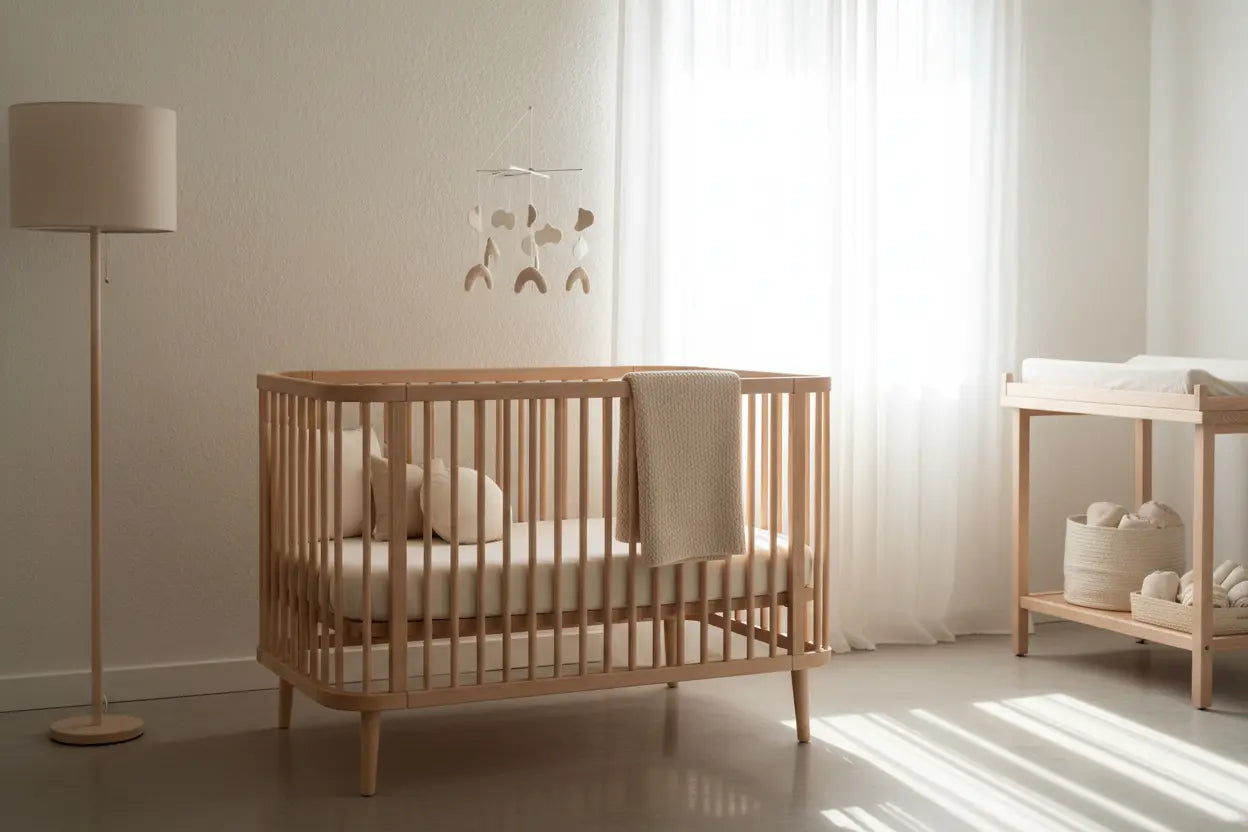
Decluttering for Baby: What You Really Need in the Nursery
Getting ready for your new arrival is both thrilling and daunting. There are so many products out there, it's easy to buy too much. But, you don't have to spend a lot or make the nursery messy to create a cozy space for your baby.
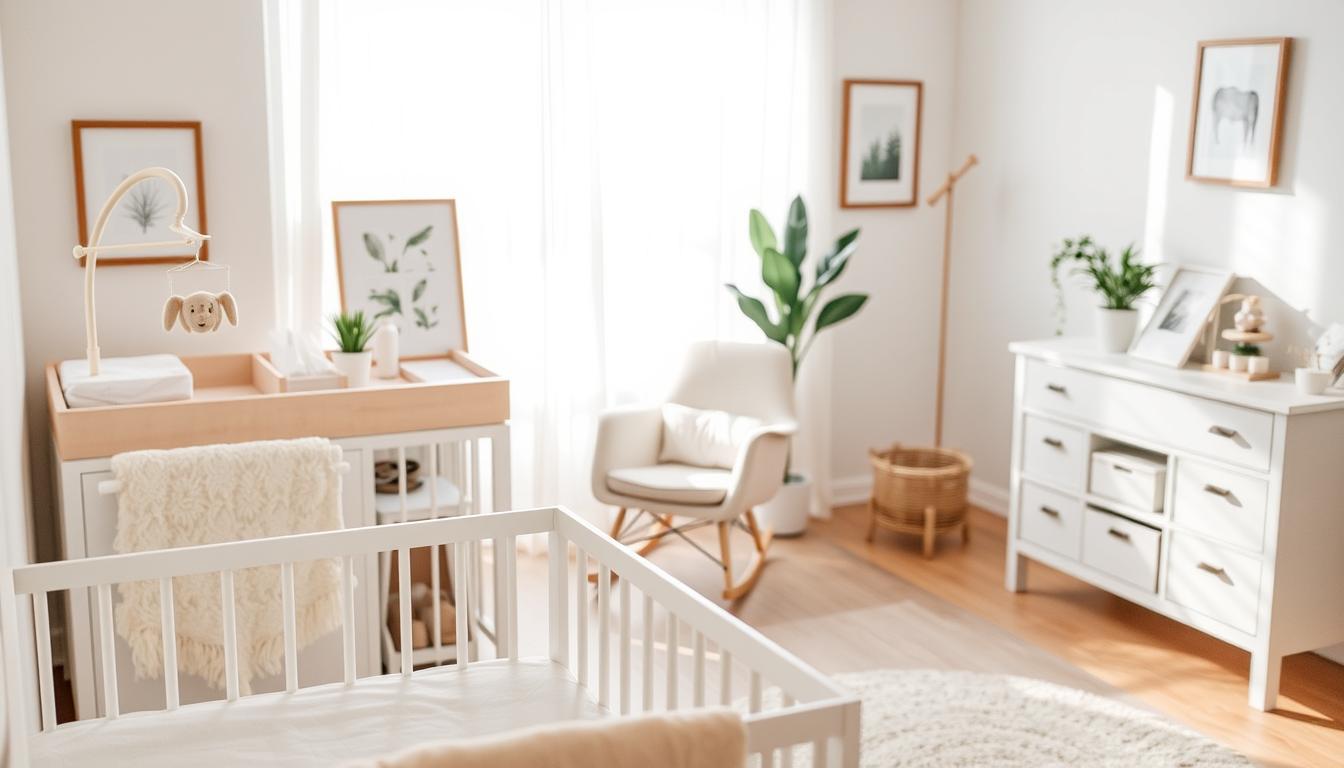
By choosing the essential items and cutting out the extras, you can make a calm place for your baby. This space will help your baby grow well and sleep well. In this article, we'll show you the key things you need for a simple nursery. This will help you focus on what's really important.
Key Takeaways
- Identify the essential items for a minimalist nursery
- Understand the benefits of decluttering the nursery
- Learn how to create a peaceful environment for your baby
- Discover how to prioritize your spending on nursery essentials
- Explore the importance of a clutter-free nursery for your baby's development
The Overwhelm of Baby Products: Why Less Is More
The baby industry is huge, worth billions of dollars. It can feel overwhelming for new parents. They face a flood of ads and tips for the latest baby products.
The Marketing Machine Behind Baby Products
The marketing in the baby industry is key. It makes parents think they need the latest products. Companies use clever ways to make parents believe their products are crucial for their baby's health.
Benefits of a Minimalist Approach to Baby Gear
Choosing a minimalist approach to baby gear has many advantages. Some of these include:
- Less clutter in the nursery
- Lower costs for buying and keeping baby products
- Easier to move around in the nursery

Physical and Mental Benefits of a Clutter-Free Nursery
A tidy nursery is good for everyone. It helps parents and babies feel calm and less stressed. A peaceful space helps everyone relax.
By choosing wisely and keeping things simple, you can make a safe and calm place for your baby. This helps them grow well in a peaceful environment.
Assessing Your Space: Planning Before Purchasing
Before buying baby products, it's key to assess your nursery space. This step helps you understand the room's layout and size. It ensures you use the space well.
Measuring Your Nursery Area
Begin by measuring the room's length, width, and any obstacles. Accurate measurements help pick the right furniture size. This avoids cluttering the space with items that don't fit.
Considering Your Home's Layout and Storage Options
Think about your home's layout and how the nursery fits into it. Look at the storage options like closets or shelves. A well-planned nursery works with your home's layout.
Creating a Floor Plan for Optimal Functionality
Creating a floor plan is vital for nursery planning. It lets you see the space and plan furniture and essentials. Use a grid paper or online tool for a basic layout. Make sure there's enough room to move around.
| Nursery Element | Considerations | Tips for Optimization |
|---|---|---|
| Furniture | Size, shape, and functionality | Choose multi-functional pieces |
| Storage | Available closet space, shelving | Utilize vertical storage options |
| Layout | Traffic path, comfort, and accessibility | Plan for a comfortable flow |

By following these steps, you can create a baby room setup guide that fits your needs. This careful planning helps you make smart choices. It ensures your nursery is both functional and peaceful.
Sleep Essentials: What Your Baby Actually Needs
Creating a peaceful sleep environment for your newborn starts with understanding the basics of baby sleep essentials. As you prepare the nursery, it's crucial to distinguish between what's necessary and what's not.
Crib vs. Bassinet vs. Co-sleeper
Choosing the right sleeping place for your baby is a critical decision. Options include cribs, bassinets, and co-sleepers. Each has its pros and cons.
| Option | Pros | Cons |
|---|---|---|
| Crib | Long-term use, safety standards | Space-consuming, expensive |
| Bassinet | Portable, cozy | Limited usage period, additional cost |
| Co-sleeper | Convenient for feeding, close to parents | Safety concerns if not used correctly |
Mattresses and Bedding Safety Guidelines
Safety should be your top priority when selecting mattresses and bedding. Ensure the mattress fits snugly in the crib and use a firm mattress. Avoid soft bedding, including blankets and pillows.
"A firm mattress and tight-fitting sheet are essential for reducing the risk of SIDS."
Sleep Accessories Worth Considering
Some sleep accessories can enhance your baby's sleep experience. These include sound machines and monitors for peace of mind, as well as swaddles and sleep sacks for comfort.
Sound Machines and Monitors
Sound machines can help create a soothing environment, while monitors allow you to keep an eye on your baby.
Swaddles and Sleep Sacks
Swaddles and sleep sacks can help your baby feel secure. Ensure they are used correctly to avoid overheating.
Feeding Station Necessities
A well-planned feeding station is key for new parents. It makes feeding your baby easy and stress-free. This area should have all you need within reach.
Breastfeeding Supplies
For breastfeeding moms, you'll need a good breast pump, nursing pillows, and bags for storing milk. Comfortable nursing bras and breast pads are also important for a good breastfeeding experience.
Bottle Feeding Equipment
If you're bottle feeding, you'll need bottles, nipples, and a bottle brush. A bottle sterilizer is great for keeping things clean. Don't forget formula storage containers if you use formula.
High Chairs and Feeding Furniture
A high chair is essential for feeding solid foods. Choose one that's sturdy, easy to clean, and adjustable. Some high chairs have extra features like recline and tray storage.
Storage Solutions for Feeding Supplies
To keep your feeding station tidy, use baskets or shelves for bottles, formula, and more. A feeding supply organizer can help keep everything handy.
| Feeding Essential | Purpose |
|---|---|
| Breast Pump | For expressing milk |
| Nursing Pillow | For comfortable breastfeeding |
| Bottle Sterilizer | For sterilizing bottles |
Having a well-organized feeding station makes feeding time better for you and your baby.
Diapering and Changing Essentials
Having the right items for diapering and changing your baby is key. A tidy diapering station makes things easier. It also keeps your baby clean and comfy.
Changing Table Alternatives
Don't have room for a changing table? No worries. A changing pad on a dresser or a portable mat works great. They save space and are just as good.
Diaper Storage Solutions
Keeping diapers organized is important for a neat nursery. Use a diaper caddy or storage bin to keep them handy. Here are some top picks:
- Diaper caddies with multiple compartments
- Stackable storage bins
- Hanging diaper organizers
Waste Disposal Options
It's vital to dispose of soiled diapers properly. A diaper pail with a lid or a disposable bag system is best. Some have features to control odors.
Organizing Diapering Supplies
Use baskets or bins for different diapering items. Labeling them helps you find what you need fast.
| Diapering Essential | Purpose |
|---|---|
| Changing Pad | Provides a safe surface for changing diapers |
| Diaper Caddy | Keeps diapers and supplies within easy reach |
| Diaper Pail | Stores soiled diapers hygienically |
Focus on these diapering and changing essentials. You'll create a space that's both functional and comfy for your baby.
Bathing and Hygiene: Keeping It Simple
Keeping bath time simple is key for a stress-free experience. You don't need lots of products or fancy setups to keep your baby clean.
Bathtub Options for Small Spaces
If your nursery or bathroom is small, look into compact bathtubs or sink inserts. They can be great for bathing your baby. Here are some popular choices:
- Collapsible bathtubs for easy storage
- Baby bathtub inserts for your sink
- Compact, freestanding bathtubs for small spaces
Essential Hygiene Products
The must-haves for baby hygiene are:
- Gentle baby washcloths
- Mild baby shampoo and body wash
- Soft towels for drying
These basics will help keep your baby clean without cluttering your space.
Organizing Bath Time Supplies
To keep bath time organized, use a caddy or basket. It can hold all your baby's hygiene essentials. This keeps the bathing area tidy and makes bath time more efficient.
Clothing and Laundry: How Much Do You Really Need?
Figuring out how much baby clothing you need is a big challenge for new parents. It's important to find a balance. You want to be prepared without buying too much.
Building a Capsule Wardrobe for Baby
A capsule wardrobe for your baby can make life easier. It reduces the number of choices you have to make. Stick to essential items like onesies, sleepers, and footed rompers. These can be mixed and matched.
Seasonal Considerations for Baby Clothes
Think about the season your baby will be born in when planning your wardrobe. For example, if it's winter, you'll need warm layers and sleepers.
Laundry Management for New Parents
Doing laundry often is a reality for new parents. Get a good washing machine. Also, consider a laundry sorter to help manage the task.
Storage Solutions for Growing Sizes
Use storage bins and dividers to organize baby clothes by size. This makes it easier to find what you need as your baby grows.
Decluttering for Baby: What You Really Need in the Nursery
Starting a nursery for your baby means knowing what's essential. With so many products out there, it's easy to feel overwhelmed. But, by following a few simple steps, you can make a tidy space that meets your baby's needs.
The 80/20 Rule Applied to Baby Gear
The 80/20 rule, or Pareto principle, says 80% of the time, you only need 20% of your baby gear. This helps you focus on the must-haves. For example, a crib, changing table, and diapers are key. Items like baby gyms or carriers are nice but not essential.
Creating Functional Zones in Your Nursery
Divide your nursery into zones for sleeping, changing, and feeding. This makes it easier to keep things organized. Each zone has its place, keeping your nursery clutter-free.
Storage Solutions That Grow With Your Child
Choose storage that grows with your child. Look for bins, baskets, and furniture with built-in storage. This way, you can adjust as your child grows.
Daily Maintenance Habits to Prevent Clutter
To keep your nursery tidy, make daily habits a part of your routine. Put away toys and clothes after use. Regular tidying and deep cleans also help. This way, you'll avoid clutter and keep the nursery peaceful for your baby.
| Zone | Essential Items | Storage Solutions |
|---|---|---|
| Sleeping | Crib, mattress, crib sheets | Crib with built-in drawers |
| Changing | Changing table, diapers, wipes | Storage bins for diapers and wipes |
| Feeding | Glider or feeding chair, nursing pillow | Baskets for storing feeding accessories |
By using the 80/20 rule, setting up zones, choosing adaptable storage, and sticking to daily habits, you can have a nursery that's both beautiful and practical.
Small Space Solutions: Making It Work in Any Home
Creating a nursery in a small space can be tough. But, with smart strategies, you can use every inch. Whether your space is a tiny bedroom or an apartment, you can design a cozy and functional nursery.
Nursery in a Bedroom: Shared Space Strategies
When the nursery is in a bedroom, making a baby area is key. Use dividers or curtains to mark the nursery. This keeps it quiet and peaceful. Look for multi-purpose furniture like cribs that turn into toddler beds or changing tables with storage.
Apartment Living with a Baby
Living in an apartment with a baby needs some tweaks. But, it's doable. Use vertical storage solutions like wall shelves or hanging organizers to free up floor space. Also, having foldable baby gear is a big help in small apartments.
Multi-purpose Furniture for Maximizing Space
Choosing multi-purpose furniture is crucial for small nurseries. Find items like storage ottomans, fold-down changing tables, or cribs with storage. These save space and keep things organized.
Vertical Storage Solutions
Utilizing your walls can greatly improve a small nursery. Install vertical storage for diapers, clothes, and toys. This keeps the floor clear and makes finding things easier.
With these small space solutions, you can have a beautiful, functional nursery in even the smallest homes. The secret is to be smart with your space. Choose furniture and storage that do double duty and keep everything tidy.
Safety First: Non-Negotiable Items for Baby's Well-being
Keeping your baby safe is a top priority. There are key items you must have. It's important to make a safe space for your little one.
Baby Monitoring Options
Baby monitors are a must-have for today's parents. They let you watch your baby from another room. This gives you peace of mind. You can choose from audio, video, or smart monitors that work with your phone.
Childproofing Essentials
It's crucial to childproof your home. This means securing furniture and appliances. You should also install safety gates and cover electrical outlets. These steps help make a safe area for your baby to play.
First Aid and Health Care Basics
Having a first aid kit for babies is essential. It should have bandages, antiseptic wipes, and a digital thermometer. It's also important to know basic first aid for emergencies.
Safe Sleep Environment Checklist
Creating a safe sleep area is key. Make sure the crib has no soft bedding, toys, or loose items. The mattress should be firm, and the crib should meet safety standards. Always check for recalls on baby sleep products.
| Safety Measure | Description | Importance Level |
|---|---|---|
| Baby Monitors | Audio, Video, or Smart Monitors | High |
| Childproofing | Securing Furniture, Safety Gates | High |
| First Aid Kit | Bandages, Antiseptic Wipes, Thermometer | High |
| Safe Sleep Environment | Clear Crib, Firm Mattress | High |
Conclusion: Creating a Peaceful, Functional Space for Your Baby
Creating a nursery that's peaceful and functional is possible. Focus on baby nursery essentials and go for a minimalist look. This way, you can make a calm space that's good for your baby's health.
A space that works well isn't just about looks. It's about being safe, easy to use, and simple. Using minimalist baby essentials helps keep things tidy and calm.
Think about your nursery's layout and storage. A well-thought-out space can really help your daily life. By focusing on what your baby needs and cutting out the extra, you can make a peaceful nursery. This supports your child's growth.
Choosing a minimalist approach and focusing on the basics can make your nursery both lovely and useful. This mindset helps create a caring space for you and your baby.
FAQ
What are the must-have items for a baby nursery?
You'll need a crib, mattress, and changing table or pad. Don't forget a dresser, glider or rocking chair, and storage for diapers, clothes, and toys. Look for affordable furniture at IKEA and safe sleep solutions from Halo.
How can I declutter my baby's nursery?
Begin by removing things you don't need. Sort items into categories and use bins and baskets for storage. Remember, you likely only use 20% of your items 80% of the time. Use wall-mounted shelves to save space.
What are some tips for organizing diapering supplies?
Keep diapers, wipes, and creams in a diaper caddy or storage bin. Use a diaper stacker or tower to save space. Munchkin and Poo-Pourri offer great solutions for organizing your baby's diapers.
How can I create a safe sleep environment for my baby?
Make sure the crib has only a firm, snug mattress and a tight sheet. Avoid soft bedding and loose items. Use a sleep sack or swaddle for safety. The American Academy of Pediatrics has guidelines for a safe sleep space.
What are some essentials for a feeding station?
You'll need a nursing pillow, breast pump, and storage for bottles and breast milk. For bottle feeding, get bottles, nipples, and a brush. A high chair or feeding table is also useful. Medela and Philips Avent have great feeding essentials.
How can I maximize storage in a small nursery?
Choose multi-functional furniture like a crib with storage or a changing table that doubles as a dresser. Use wall-mounted shelves and storage units. Consider compact or foldable storage for strollers and baby gear.
What are some common unnecessary baby products?
Skip baby clothes with hard fasteners, gadgets you don't need, and single-use items. Think about the cost and usefulness before buying. Be wary of marketing tricks and focus on what's essential.
How can I maintain a clutter-free nursery?
Make tidying up a daily habit. Schedule regular decluttering sessions. Try a "one in, one out" rule to keep clutter away.


